
Why E-Cycles Are the Future of Urban Commuting
The Urban Commute Problem
Most city dwellers face a common issue: long hours stuck in traffic for short distances. Add to that the cost of fuel, limited parking space, and pollution, and you have a daily routine that’s stressful and expensive. Traditional bikes can be a good option, but not everyone is fit enough—or willing—to pedal through heat, rain, or steep roads every day.
That’s where e-cycles offer the perfect middle ground: they’re faster and more comfortable than regular bicycles and far more economical and eco-friendly than cars or motorcycles.
Health Benefits Without the Exhaustion
One of the biggest myths about e-cycles is that they don’t offer any exercise. In fact, they do. Most e-cycles come with pedal assist—a system that provides electric support only when you pedal. This means you still move your legs and burn calories, but without overexerting yourself. It’s perfect for beginners, office-goers, and older adults who want to stay active without sweating buckets. You can read more regarding this at BetterHealth
Ideal for Professionals and Students Alike
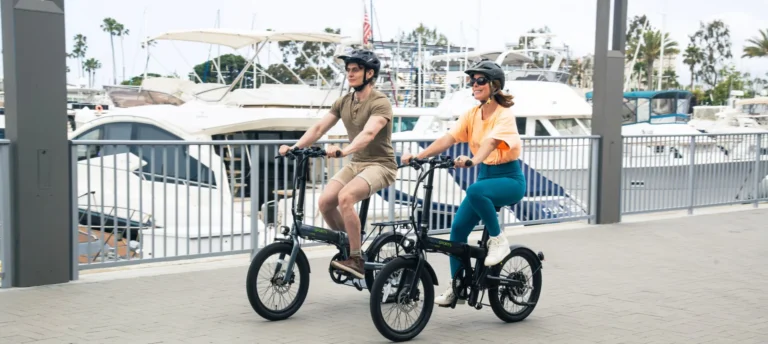
Whether you’re a college student heading to campus, an office-goer traveling 10–15 km daily, or a freelancer visiting clients across the city—an e-cycle fits into every urban lifestyle. With ranges between 40 to 100 km on a single charge, you can complete your day’s commute without worrying about recharging. You can check out ideal e bikes in our store (Voltrix YT1 Ebike)
What Makes E-Cycles Ideal for Cities?
1. Zero Fuel Cost, Low Maintenance
Electric cycles run on battery power, so you don’t spend a single rupee on fuel. Charging the battery costs just a few units of electricity, and most e-cycles can be charged from any standard socket. Also, since there’s no engine or complex machinery involved, maintenance is minimal compared to petrol vehicles.
2. Beat Traffic Like a Pro
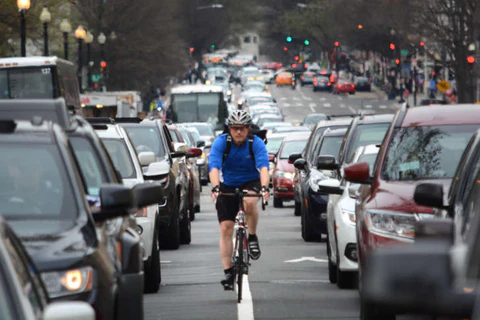
E-cycles are compact, lightweight, and agile. You can zip through narrow lanes, skip traffic jams, and even use cycling paths where available. In most Indian cities, an e-cycle can cut your commute time by 30% or more compared to cars or bikes.
3. Parking is Never a Problem
Ever spent 20 minutes just trying to find a parking spot? E-cycles can be parked almost anywhere—outside your home, office, shops, or cafes. Some even fold for easy storage in apartments or under your desk at work.
4. Eco-Friendly and Sustainable
E-cycles are emission-free and help reduce your carbon footprint. With rising concerns about air quality in urban areas, switching to an electric cycle is not just a personal choice but also a responsible one. A single e-cycle can reduce over 500 kg of CO₂ emissions annually compared to a petrol scooter.
5. Smart Features for Smart Cities
Modern e-cycles come with features like anti-theft systems, app-based tracking, GPS navigation, pedal assist levels, and digital displays that show battery status and ride stats. These features make urban commuting smarter, safer, and more convenient. Meanwhile checkout more blogs regarding why electric cycles should be considered as of 2025 at Voltrix E-Cycles
Government Push & Subsidies
In many states, the government is offering subsidies on electric vehicles, including cycles, to encourage green mobility. Also, e-cycles are exempt from registration, road tax, and license requirements, which makes them even more appealing.
🔌 1. FAME Scheme: What About E-Cycles?
India’s flagship EV policy, FAME (Faster Adoption and Manufacturing of Hybrid and Electric Vehicles), launched in 2015 and is now in its Phase II. Although FAME majorly covers electric scooters, bikes, and cars, the demand for including electric bicycles is growing, and some state governments have started introducing support on their own.
🏛️ 2. State-Level Subsidies for E-Cycles (2023–2025 Updates)
Several state governments have independently introduced subsidies for electric cycles to promote green mobility in dense urban areas:
✅ Delhi:
-
The Delhi Electric Vehicle Policy encourages e-cycle adoption.
-
Under the scheme, consumers get:
-
₹5,500 incentive per electric cycle, including ₹2,000 additional for those with cargo-carrying capacity (delivery riders).
-
The incentive is directly transferred to the buyer’s bank account after purchase.
-
-
Special promotions for delivery partners (Swiggy, Zomato, etc.) under last-mile delivery programs.
✅ Punjab:
-
Offers direct subsidy of up to ₹5,000 for electric cycle purchases.
-
Focus on college students and working women.
-
Part of broader “Green Punjab” policy.
✅ Tamil Nadu & Karnataka:
-
Proposed subsidies (notified but not yet fully active) in urban EV zones.
-
Focused on public bike-sharing systems using e-cycles in smart cities like Chennai and Bengaluru.
✅ Maharashtra (Proposed 2024-25):
-
Looking to provide ₹3,000–₹6,000 subsidies on electric cycles under the “Green Mobility Mission.”
-
To be launched in Tier-1 and Tier-2 cities initially.
-
🔔 Tip for buyers: Always check the latest updates on your state EV policy portal or contact your e-cycle dealer—some brands handle the subsidy claim process on your behalf.
Get to know more about subsidies in India through this video down below:
No Registration, License, or Road Tax
One of the biggest hidden subsidies for e-cycle users is cost-free legal ownership:
✅ 1. No Registration Required
In India, the Motor Vehicles Act (1988) requires vehicles to be registered only if:
They exceed 25 km/h top speed, or
Have a motor rated above 250 watts
Most electric cycles are:
Limited to 25 km/h
Powered by 250W motors or lower
👉 This means:
No need to visit the RTO
No registration certificate (RC) needed
No waiting for approval or paperwork hassles
✅ 2. No Driving License Needed
Since e-cycles fall outside the definition of “motor vehicles” under the Act, you do not need a driving license to operate one.
This is a game-changer, especially for:
Students (under 18)
Senior citizens
People who want a convenient, legal transport option without formalities
🔒 Safety Tip: Even without a license requirement, always follow traffic rules and wear a helmet, especially in busy urban areas.
✅ 3. No Road Tax or Insurance Mandatory
Because e-cycles are not categorized as registered motor vehicles:
You pay no road tax
Third-party motor insurance is not mandatory
This saves you:
Annual or lifetime vehicle tax payments
Time, money, and renewal stress related to insurance policies
That said:
Voluntary insurance plans (like theft/damage cover) are available at very low cost and can be a good idea for high-end e-cycles.
Related Articles
Post a Comments
Join Our Newsletter
Contact
- Off No189, Clover Heights, M.G Road, Pune.
- +91 7876565434
- customer@voltrixebike.com